Custom tea tins are the better package when tea is displayed, gifted or opened again and again, while pouches suit refills, wholesale bags and short trials. This guide from Custom Tea Tins compares both formats on freshness, branding and shipping, and shows how many tea brands pair a printed tin with simple refill pouches.
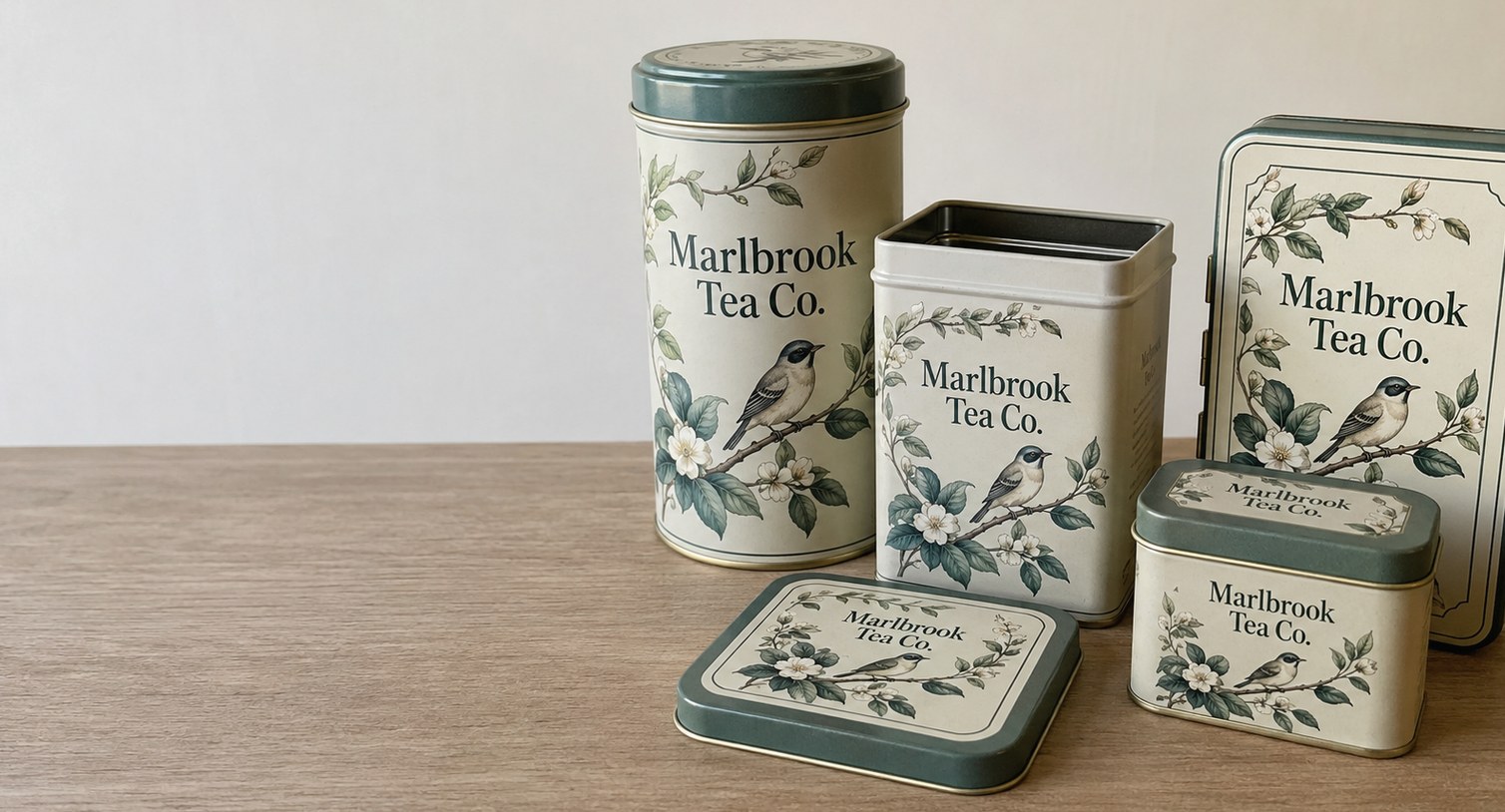
- Rigid tinplate blocks light and protects whole leaves from crushing
- Gasket-lid tins reseal tightly long after a pouch zipper wears out
- Pouches ship flat and suit refills, wholesale and trial blends
- Free mockup within 24 hours; standard turnaround about 2 weeks
Are tea tins or pouches better for packaging loose leaf tea?
For loose leaf tea that a customer will open, close and keep on a kitchen shelf for weeks, custom tea tins are usually the better package. A rigid tinplate body blocks light completely, keeps fragile leaves from being crushed, and a well-fitted lid closes the same way on the fiftieth opening as on the first. A flexible pouch protects tea well while sealed, but once the zipper has been opened a few times it creases, loses shape and often ends up decanted into something else.
Pouches still earn a place. They are light, flat when empty and quick to fill, which is why many tea brands use them for refills, wholesale bags and online orders where shelf presence matters less. The real question is not which package wins overall but which job each one does in your range.
Custom Tea Tins sees the strongest results when a brand treats the tin as the permanent home for the tea and the pouch as a supply line. The tin carries the brand on the counter for months; the pouch simply keeps it full.
How do tins and pouches compare on freshness, shelf look and handling?
Tea tins and pouches protect tea in different ways, and the differences show up in four places: light, air, crushing and the look on the shelf. The table below sets them side by side in plain terms so you can match each format to the way your tea is sold and stored.
| Factor | Custom tea tins | Stand-up pouches |
|---|---|---|
| Light | Tinplate blocks light entirely unless you choose a window | Depends on the film; clear or kraft windows let light in |
| Air after opening | Gasket lids reseal tightly; slip lids close snugly by friction | Zippers weaken and crease with repeated use |
| Crushing | Rigid walls protect whole leaves, blossoms and pearls | Leaves can break when bags are stacked or squeezed |
| Shelf presence | Stands upright, stacks, and carries lithographed art on every side | Can slump or lean once partly empty |
| Reuse | Customers keep and refill the tin for years | Usually discarded once empty |
| Shipping weight and space | Heavier and takes the same space empty or full | Light and ships flat before filling |
If freshness after opening and a premium look matter most, the tin side of the table wins. If the package is only a vehicle for getting tea from the warehouse to the customer, the pouch side often makes more sense.
Which tea tin style holds up best against a pouch for daily use?
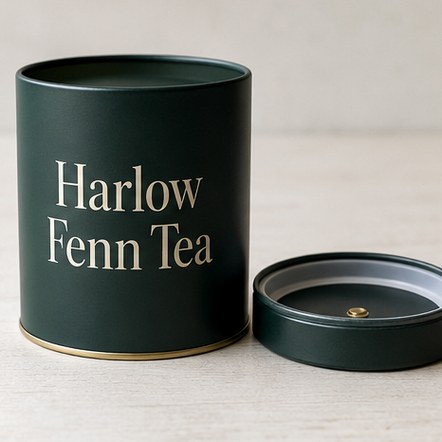
The airtight gasket-lid tin is the closest match for a pouch’s sealed freshness, and it keeps that seal long after a pouch zipper has worn out. A gasket-lid tin uses an inner plug or gasketed lid that presses down to close, so aromatic blends such as jasmine, smoked teas and delicate greens hold their character between brews.
Other tea tin styles suit different jobs:
- Slip-lid caddy tins are the classic shop-counter shape. The lid slides over the body with a close friction fit, which works well for black teas and everyday blends that are used up steadily.
- Hinged pocket tins replace the small sample pouch. They suit tea bags, single servings and travel portions, and the lid cannot be lost.
- Window tins show the leaf the way a clear pouch does, but inside a rigid body that protects the tea from crushing.
- Divided gift-set tins hold several small portions in one branded package where a stack of mini pouches would look loose.
You can compare these styles on the airtight gasket-lid tins and slip-lid caddy tins pages before choosing.
When does a pouch make more sense than a tea tin?
A pouch makes more sense than a tea tin when the package will be emptied quickly, shipped in volume or thrown away after one use. Wholesale bags for cafes, back-of-house supply for restaurants and bulk refills sold to loyal customers all fit that description, because nobody is displaying or keeping the bag.
Pouches also help when a brand is testing a blend it may not continue. A short trial in plain bags lets you learn whether the tea sells before you commit artwork to a printed tin.
Where pouches struggle is anywhere the package is part of the product:
- Gift sets and holiday boxes, where a soft bag looks less generous than a printed tin.
- Retail shelves, where a slumping pouch hides the brand name.
- Hotel rooms and spa counters, where guests judge the room by the details on the tray.
- Premium whole-leaf teas, where broken leaves undercut the price point you are asking customers to accept.
In each of those cases, the tin is doing marketing work that a pouch cannot do, so the comparison is less about packaging and more about how you want customers to remember the tea.
Can a tea brand use both tins and refill pouches together?
Yes, and pairing custom tea tins with refill pouches is one of the most practical setups for a tea brand. The customer buys the printed tin once, then buys refills in a simpler bag and tips them into the tin at home. The tin stays on the shelf as a constant reminder of the brand, while the refill keeps repeat orders easy to ship.
To make a tin-and-refill program work smoothly, plan these details up front:
- Choose a tin size that comfortably holds one full refill so customers are not left with leftover tea in the bag.
- Put the blend name on the tin in a way that suits refills, either as lithographed art for a signature blend or as a printed label for a rotating range.
- Add a reorder prompt to the tin, such as a short line of copy or a QR code pointing to the refill page.
- Keep the tin design consistent so refill buyers recognize the brand at a glance.
Many brands also use custom labeled tea tins for refill programs, because one tin design can carry many blends with only the label changing.
How does branding differ on a printed tea tin and a printed pouch?
A printed tea tin gives your artwork a rigid, permanent surface on the lid, the body and sometimes the base, while a pouch prints on a flexible film that wrinkles as the bag empties. On a tin, a logo stays crisp and readable for as long as the customer keeps it, which is often long after the tea is gone.
Custom Tea Tins offers two main ways to decorate a tin. Lithography prints the design directly onto the tinplate before the tin is formed, so the color wraps the whole body with no label edge. Printed labels sit on a plain or colored tin and are ideal when you need many blend names on one base design. The lithographed tins page shows the full-coverage look.
Pouches can carry bright print as well, but the design must survive folds, gussets and a zipper line, and the bag rarely stays in sight once it is empty. If brand recall is the goal, the printed tin is the stronger canvas. Every order starts with a free mockup within 24 hours, so you can see your artwork on the actual tin style before deciding.
What should you check before switching from pouches to custom tea tins?
Before switching a blend from pouches to custom tea tins, check that the tin style, size and lid suit the tea and the way it is sold. A switch that ignores fill volume or lid type can leave you with tins that are half empty or blends that lose aroma too quickly.
- Fill volume: leafy teas such as white tea take far more room than rolled oolongs, so size the tin by the tea, not by the old pouch.
- Lid type: pick a gasket lid for aromatic or delicate teas and a slip lid for everyday blends that are used up quickly.
- Interior: ask whether the tin should have a food-safe lining, especially for loose leaf tea that touches the metal.
- Shipping: tins are heavier and bulkier than flat pouches, so check how they will be packed for mail orders and gift boxes.
- Artwork: decide between lithography and labels based on how many blends share one design.
Custom Tea Tins can walk through these points with you when you request a quote. Share the blend, the sales channel and your target delivery date, and the team will suggest a style. Standard turnaround is about 2 weeks once the design is approved, with faster options available, and you pay nothing until you approve the design. See how it works for the full process.
Frequently asked questions
Do custom tea tins keep tea fresher than a resealable pouch after opening?
Custom tea tins usually keep tea fresher after opening than a resealable pouch, because a rigid lid closes the same way every time while a pouch zipper creases and weakens. A gasket-lid tin gives the tightest closure, and a slip-lid caddy suits blends that are used up steadily. Custom Tea Tins can suggest the lid that fits your tea.
Can I ship custom tea tins inside a mailer the way I ship pouches?
Custom tea tins can ship in mailers, but they need a box sized to the tin and light padding so the lid and corners arrive without dents. Tins are heavier and bulkier than flat pouches, so plan packaging and postage around the rigid shape. Hinged pocket tins are the easiest tea tin style to mail in small parcels.
Is a tea tin with a window as protective as a clear pouch?
A tea tin with a window protects tea better than a clear pouch against crushing, because the rigid body keeps leaves intact even when the window lets some light in. For light-sensitive teas, keep window tins out of direct sun or choose a solid tin. Custom Tea Tins shows the window options on its window and display tins page.
Should a new tea brand launch in tins or start with pouches?
A new tea brand can launch its signature blends in custom tea tins and keep experimental blends in plain pouches until they prove themselves. Tins build shelf presence and gift appeal from day one, while pouches keep early trials flexible. Custom Tea Tins can mock up the tin design within 24 hours so you can judge it before committing.
Can refill pouches be designed to match my custom tea tins?
Refill pouches can be styled to echo your custom tea tins by using the same logo, colors and blend names, even if they come from a different packaging source. Custom Tea Tins focuses on the tins, so send your tin artwork to your pouch printer and keep the two consistent. Matching designs help refill customers recognize the brand instantly.
Do customers actually keep tea tins after the tea runs out?
Customers often keep tea tins after the tea runs out, using them for refills, kitchen storage or small keepsakes, which is why printed tins keep a brand visible long after the first purchase. Pouches are usually thrown away once empty. Lithographed tins with full-wrap artwork tend to be kept longest, because they look good enough to display.
Are tea tins a better choice than pouches for gift boxes?
Tea tins are usually the better choice for gift boxes, because a rigid, printed tin looks finished and generous while a pouch can look like a refill. Divided gift-set tins and small slip-lid caddies fit neatly into presentation boxes. Custom Tea Tins can design sample sets and gift boxes so each tin sits securely and the logo faces forward.
Which tea tin style replaces a small sample pouch?
A hinged pocket tea tin is the most natural replacement for a small sample pouch, because it holds a few tea bags or a single portion and the lid stays attached. Pocket tins fit in bags, pockets and welcome kits. Custom Tea Tins prints the logo on the hinged lid, where it is the first thing a customer sees.
Do tea tins cost more to ship than pouches?
Tea tins generally cost more to ship than pouches because they weigh more and take the same space empty or full, while pouches ship flat until filled. The difference depends on tin style, size, packing and destination. Custom Tea Tins can factor shipping into your quote so you can compare the full landed picture before ordering.
Can loose leaf tea go straight into a custom tea tin without an inner bag?
Loose leaf tea can go straight into a custom tea tin when the tin has a suitable food-safe interior, which removes the need for an inner bag. Some brands still add a sealed inner bag for long storage or shipping. Custom Tea Tins can confirm the right interior option when you describe your tea and how it is sold.
How do I move my existing pouch artwork onto a tea tin?
Moving pouch artwork onto a tea tin starts with sending your vector logo and the pouch design files, which the Custom Tea Tins team adapts to the lid and body shape. A tin has different proportions from a pouch, so layouts usually need adjusting. A free mockup arrives within 24 hours, and revisions are unlimited until the design looks right.
Get a free mockup for your tea tins
Send your logo or idea and the quantity you have in mind. Custom Tea Tins returns a free mockup within 24 hours, you approve the design before anything is produced, and standard turnaround is about two weeks with faster options available. Get a custom quote.