Custom tea tins last for years when you keep them dry, wash them gently by hand, avoid abrasive pads on printed surfaces and store empty stock flat and away from humidity. Custom Tea Tins makes gasketed airtight, slip-lid caddy, hinged pocket, lithographed and window tea tins, and each style needs slightly different care to keep its seal, print and shape.
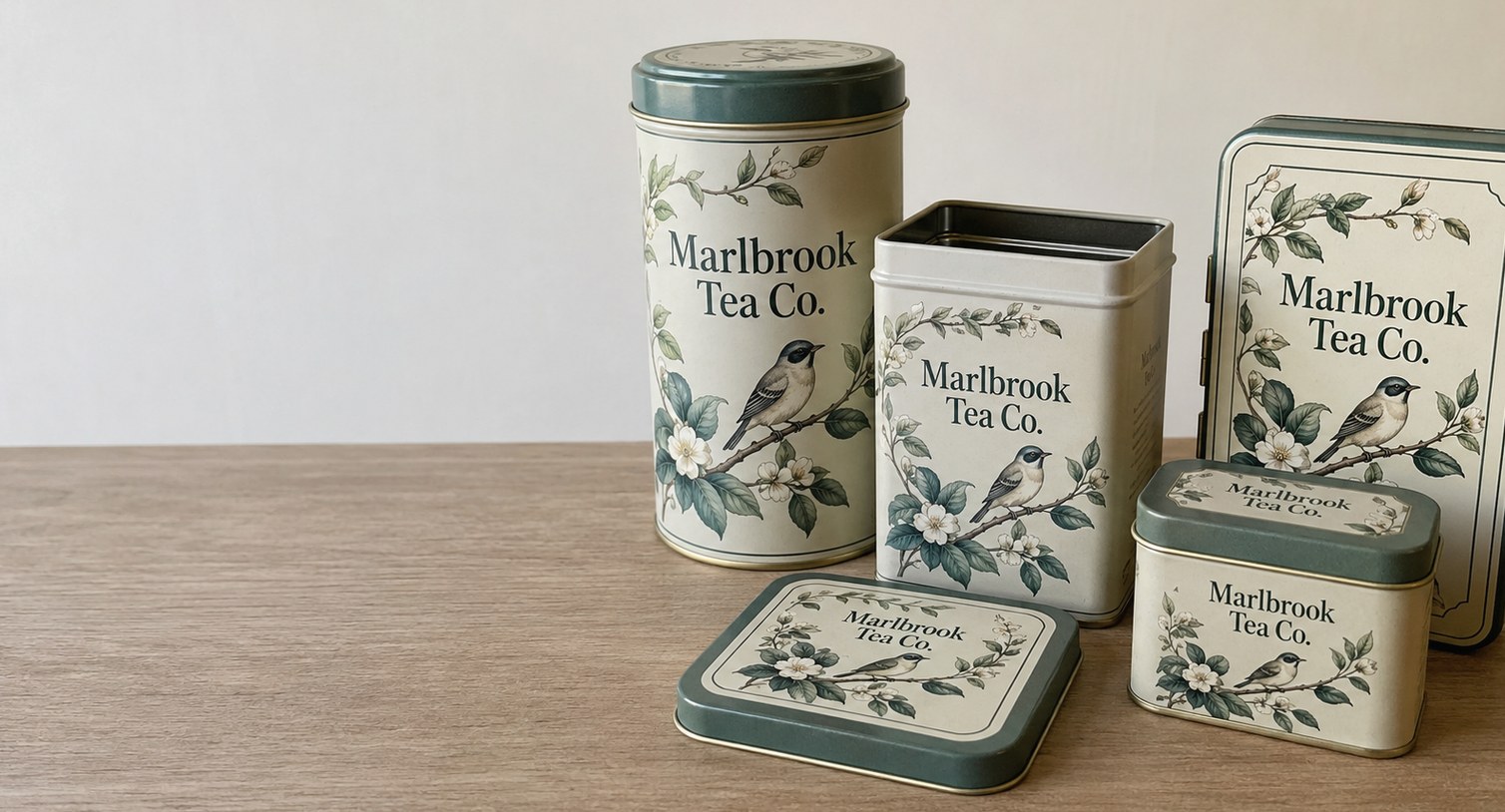
- Hand-wash tea tins with mild soap and dry them completely before refilling.
- Moisture, not age, is the main cause of rust and stale tea in a tin.
- Lithographed and labeled finishes need soft cloths, never scouring pads.
- Gasket lids keep their seal longer when the gasket is wiped, not soaked.
- Free mockup within 24 hours; standard turnaround is about 2 weeks.
How do you clean a custom tea tin between blends?
To clean a custom tea tin between blends, empty every leaf, wipe out loose dust with a dry cloth, wash the inside with warm water and a drop of mild dish soap, rinse, and dry the tin and lid completely before refilling. Drying is the step that matters most, because trapped water causes rust spots and makes the next blend taste flat.
Strongly scented teas such as smoked black tea, jasmine, chai and mint can leave an aroma behind. If a tin still smells of the last blend after washing, leave it open in a dry, airy room overnight before refilling. Avoid harsh cleaners, bleach and scented soaps, because they leave their own smell that tea absorbs quickly.
- Tip out the tea and tap the tin gently over a bin.
- Wipe out fine dust with a dry, lint-free cloth.
- Wash the inside by hand with warm water and mild soap.
- Rinse briefly and shake off excess water.
- Dry inside and out with a soft towel, then air-dry open for a few hours.
- Refill only when the tin, lid and any gasket are bone dry.
Can custom tea tins go in the dishwasher?
Custom tea tins should not go in the dishwasher. Long cycles of heat, harsh detergent and standing water can dull lithographed artwork, lift printed labels, warp a gasket and leave moisture trapped in the rolled seams where rust starts. Hand-washing takes a few minutes and keeps the tin looking the way it did on the shelf.
This matters most for businesses that reuse tins, such as tea shops running a refill program, hotels refilling in-room tins and cafes refilling counter caddies. Train staff to wash and dry tins by hand, and keep a dedicated set of soft cloths for the job so tea tins never meet the scouring pads used on pots and pans.
If your business will wash tins often, mention that when you request a quote. Custom Tea Tins can recommend the finish that suits frequent handling, and the free mockup, returned within 24 hours, shows where the artwork sits so you can keep the most handled areas simple.
How do you keep lithographed and labeled tea tins looking new?
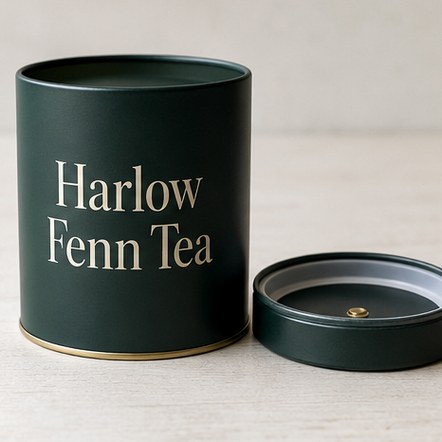
Lithographed and labeled tea tins keep looking new when they are wiped with a soft, slightly damp cloth, dried right away and never stacked loose without a separator. Most wear on printed tea tins comes from tin rubbing against tin in a box or on a shelf, not from the tea or from normal handling.
Lithographed tins carry artwork printed directly onto the metal, which is very durable, but the edges of the lid and the base take the most contact. Printed labels sit on the surface, so they are best kept away from water and oily hands. The table below sums up the care each finish needs.
| Tea tin finish | Main wear risk | Best care |
|---|---|---|
| Lithographed tin | Scuffs at lid edges and base | Soft cloth, dividers in storage, no scouring pads |
| Printed label tin | Water lifting label corners | Wipe around the label, keep the outside dry |
| Window tin | Scratches on the clear window | Microfiber cloth only, no paper towels |
| Plain tin with logo | Fingerprints and light scratches | Dry buff with a soft cloth |
On a retail shelf, rotate display tins so the same tin is not picked up hundreds of times. Customers handle the front row most, and a fresh tin at the front keeps the shelf looking premium.
What causes rust in tea tins and how do you prevent it?
Rust in tea tins is caused by moisture sitting on the metal, usually from washing without full drying, refilling while the tin is damp, or storing tins in a humid room, basement or near a kettle. Tinplate resists corrosion well, but scratches through the coating and water trapped in seams give rust a starting point.
Prevention is simple and mostly about habits. Dry every tin completely, store stock away from steam and outside walls, and keep tins off cold floors where condensation forms. If a small rust spot appears on the outside, it is usually cosmetic, but a tin with rust on the inside should be retired from food use.
- Never refill a tin that is still cool or damp from washing.
- Keep stock rooms dry and away from dishwashers and espresso machines.
- Store cartons on shelves, not directly on concrete.
- Do not keep wet scoops or spoons inside the tin.
Customers who reuse their tins at home benefit from the same advice. A short care line on a printed label or a QR code to a care page helps them keep the tin, and your brand, on the kitchen counter for longer.
How should a gasketed airtight tea tin be cared for?
A gasketed airtight tea tin should be cared for by wiping the gasket with a barely damp cloth, never soaking it, and letting it dry fully before the lid goes back on. The gasket is what makes the tin airtight, so keeping it clean, dry and in shape protects the freshness of every blend stored inside.
Tea dust and oils build up on a gasket over time and can stop the lid from closing evenly. A quick wipe at each refill is enough. If a gasket is twisted or pulled out of its channel, press it back gently with a fingertip rather than a tool, which can tear it.
Slip-lid caddy tins and hinged pocket tins have no gasket, so they rely on a close metal fit. Keep their rims clean and straight. A dented rim on a slip-lid caddy lets air in and can make the lid stick, so store and ship caddies upright in cartons with dividers. Custom Tea Tins can suggest the right style if freshness over months is your priority.
How should a business store empty custom tea tins before filling?
A business should store empty custom tea tins in their original cartons, with lids on, in a dry room at steady room temperature, away from direct sunlight, strong smells and anything that could crush the cartons. Tea tins are light but thin-walled, so a heavy box stacked on top is the most common cause of dents.
Strong smells are an underrated risk. Empty tea tins stored next to cleaning supplies, spices, coffee or candles can pick up aromas that later transfer to tea. A shelf in a clean, neutral stockroom is better than a corner of a busy kitchen.
Window tins and lithographed tins with bright artwork should also stay out of direct sun, which can fade the print over time and warm the tin. Label a few cartons as your first batch to fill, so the oldest stock is always used first and nothing sits for years at the back of a shelf.
How can customers be encouraged to reuse branded tea tins?
Customers can be encouraged to reuse branded tea tins by offering a refill program, printing a short care or refill message on the tin, and choosing a tin style sturdy enough to live on a kitchen counter. A tin that is kept and reused keeps your logo in front of the customer every day, long after the first blend is gone.
Tea shops and cafes often offer refills at the counter or loose-leaf refill pouches sized to match the tin. Hotels and spas sell the same tins they use in rooms. A QR code on the base of the tin can link to care tips and your reorder page. Custom Tea Tins shows the code and any care text on the free mockup, and nothing is paid until you approve the design.
Frequently asked questions
Can loose-leaf tea be stored in a custom tea tin for a whole year?
Loose-leaf tea can stay in a custom tea tin for many months when the tin is airtight, dry and kept away from heat, light and strong smells, though most teas taste best when used sooner. Gasketed airtight tins from Custom Tea Tins give the most protection for long storage. Keep the lid closed between uses and avoid opening the tin near a steaming kettle.
Is it safe to put tea back into a tea tin that has a small dent?
Tea can go back into a tea tin with a small cosmetic dent on the body if the inside lining is intact and the lid still closes evenly. A dent on the rim or lid is a bigger problem, because it lets air in. Custom Tea Tins recommends retiring any tin with damage to the inner coating or visible rust inside.
What is the best way to remove a strong scent from a tea tin?
A strong scent in a tea tin usually fades after a gentle wash with mild soap, a full dry and a night left open in a dry, airy room. For stubborn smells, repeat the airing for another day before refilling. Avoid scented cleaners and coffee grounds, because tea tins and the tea inside absorb those aromas just as easily.
Do window tea tins need different care from solid tea tins?
Window tea tins need extra care on the clear panel, which scratches more easily than metal. Clean the window with a soft microfiber cloth only, never paper towels or scouring pads, and keep window tins out of direct sunlight to protect both the tea and the printed artwork. Custom Tea Tins can advise whether a window style suits your shelf conditions.
How should tea tins be packed so they arrive at customers without scuffs?
Tea tins arrive without scuffs when each tin is separated from the next by a sleeve, tissue or cardboard divider and the box is filled so tins cannot shift. Metal rubbing on metal in transit is the main cause of marks on lithographed artwork. Custom Tea Tins can discuss gift-set and sample-box packaging when you request a quote.
Can a tea shop refill a customer's branded tea tin at the counter safely?
A tea shop can refill a customer's branded tea tin at the counter safely if the tin is clean, completely dry and free of rust or damaged lining. Ask customers to bring tins empty, give each one a quick visual check, and use a dry scoop. Custom Tea Tins can print a short refill message on the tin to promote the program.
Does humidity in a cafe affect custom tea tins on display?
Humidity in a cafe affects custom tea tins on display when they sit near espresso machines, dishwashers or steam wands, where moisture can settle on the metal and seep under printed labels. Keep display tins on a shelf away from steam sources and close every lid fully. Custom Tea Tins recommends gasketed airtight tins for tea kept in humid service areas.
Will a printed label on a tea tin survive regular wiping?
A printed label on a tea tin survives regular wiping when it is cleaned with a soft, barely damp cloth and dried right away, without soaking the edges. Water pooling at the corners is what lifts labels over time. If tins will be washed often, Custom Tea Tins can compare labeled and lithographed tins so you choose the finish that suits heavy handling.
Can custom tea tins be used for other dry goods after the tea runs out?
Custom tea tins can be reused for dry goods such as sugar cubes, spices, coffee beans or small craft supplies once they are cleaned and dried, which is one reason customers keep them. Remind customers not to return the tin to tea storage after holding strong spices. Custom Tea Tins can add a reuse idea or care tip to the printed design.
What should a hotel housekeeping team check on in-room tea tins each week?
A hotel housekeeping team should check in-room tea tins each week for loose lids, dents on the rim, damp interiors, stale aroma and scuffed artwork that no longer looks guest-ready. Rotate worn tins out to back-of-house use. Custom Tea Tins can supply matching replacement tins from the same artwork, so the room presentation stays consistent across every floor.
How long do the gaskets on airtight tea tins usually stay effective?
Gaskets on airtight tea tins stay effective for a long time when they are wiped rather than soaked, kept free of tea dust and never stretched or pried with tools. Signs of wear include a lid that closes unevenly or a gasket that no longer sits flat. Custom Tea Tins can explain gasketed lid options when you request a quote.
Should care instructions be printed on custom tea tins?
Care instructions on custom tea tins are worth printing when customers are expected to refill and reuse them, and a short line such as hand-wash and dry before refilling usually fits on the base or a label. Longer tips work better behind a QR code. Custom Tea Tins places this text on the free mockup, returned within 24 hours, for you to review.
Get a free mockup for your tea tins
Send your logo or idea and the quantity you have in mind. Custom Tea Tins returns a free mockup within 24 hours, you approve the design before anything is produced, and standard turnaround is about two weeks with faster options available. Get a custom quote.